Space Planning Tips for Office Commercial Interior Design Ideas
Introduction - Why Space Planning Is Critical for Offices
Office space planning is one of the most important foundations of successful commercial interior design. It determines how people move, interact, collaborate and focus within a workspace. Even the most visually appealing office can fail if the layout does not support daily operations.
There is a strong connection between office layout employee experience and business outcomes. Well planned spaces improve productivity, reduce stress and encourage collaboration. Poorly planned offices often struggle with noise congestion and inefficient workflows.
Modern workplaces are also evolving rapidly. Hybrid work models, flexible teams and wellness-focused environments require offices to be adaptable rather than rigid. Space planning for office interior design improves productivity and collaboration by creating environments that respond to both current needs and future growth.
Understand Workspace Functions and User Needs
Define Work Zones Based on Activities
Every office supports multiple activities. Some tasks require focus and quiet while others thrive on interaction and discussion. Identifying focus zones, collaboration zones, meeting areas and informal spaces is the first step in effective space planning.
Understand Workflow and Team Preferences
Each team functions differently. Some departments need frequent collaboration while others require privacy. Understanding workflows and preferences helps create layouts that support productivity instead of disrupting it.
Plan for Diverse Work Styles
Modern offices must accommodate a mix of quiet work collaborative sessions, private calls and open discussions. Providing a variety of spaces ensures employees can choose environments that suit their tasks.
Establish a Functional Office Layout Strategy
Open Plan Versus Enclosed Spaces
Open layouts encourage interaction and transparency while enclosed spaces support focus and confidentiality. The most successful offices combine both approaches rather than choosing one exclusively.
Balance Privacy With Connectivity
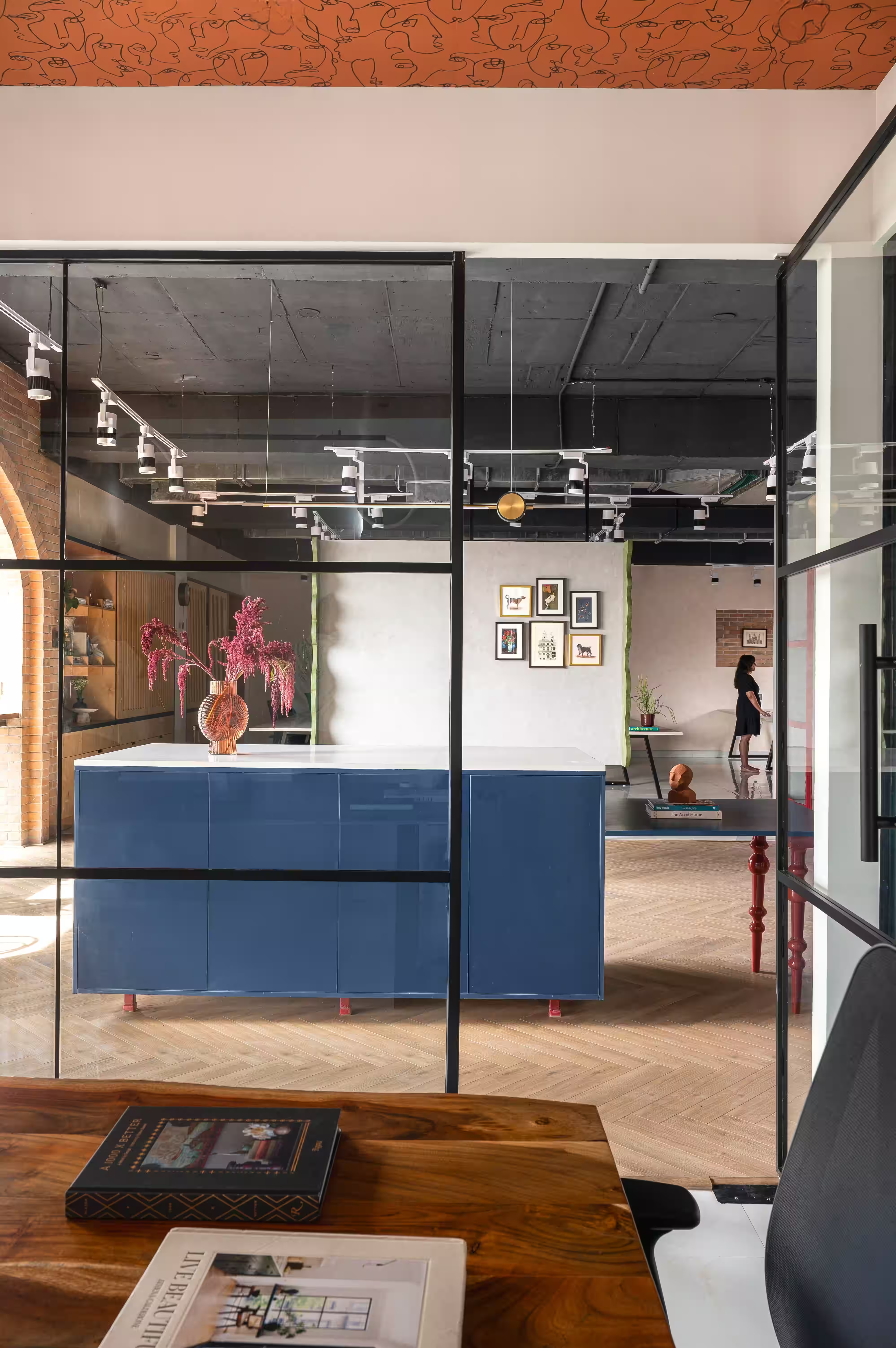
Employees need privacy without feeling isolated. Glass partitions, semi enclosed meeting rooms and acoustic panels help maintain visual openness while providing separation.
Ensure Logical Circulation and Walk Paths
Clear circulation paths prevent disruption and confusion. Employees should be able to move between spaces without crossing workstations unnecessarily.
Prioritize Comfortable and Productive Workstations
Modular Desks and Flexible Workstations
Modular furniture allows layouts to adapt easily. Flexible workstations support team changes and hybrid working patterns without major redesigns.
Ergonomics as Part of Layout Planning
Workstation placement must support ergonomics. Adequate desk depth chair clearance and monitor positioning reduce physical strain and improve comfort.
Access to Natural Light and Views
Placing workstations near windows improves mood energy levels and focus. Natural light should be distributed evenly across the office rather than reserved for select areas.
Create Collaborative Spaces That Do Not Disrupt Focus
Breakout Zones With Soft Seating
Breakout areas encourage informal discussions and creative thinking. Soft seating and relaxed layouts help teams collaborate comfortably.
Glass Partitions for Visual Openness
Glass enclosures maintain openness while reducing noise spill. They help balance collaboration and focus within the same floor plate.
Acoustic Design for Speech Privacy
Acoustic treatments such as panels, rugs and ceiling solutions reduce noise transmission and support productive conversations.
Plan for Future Flexibility and Growth
Design With Adaptability in Mind
Offices should evolve with business needs. Flexible layouts allow teams to grow or reorganise without costly renovations.
Movable Partitions and Modular Furniture
Movable elements enable quick reconfiguration. This supports dynamic team sizes and changing work patterns.
Scalable Zoning for Expansion
Planning zones that can expand or contract ensures long term efficiency and reduces disruption during growth phases.
Optimize Circulation and Traffic Flow
Clear Pathways and Visual Cues
Clear walkways guide movement and reduce distractions. Visual cues such as flooring changes or lighting help define routes.
Avoid Bottlenecks Near High Traffic Areas
Printers, pantries and meeting rooms often attract traffic. These areas should be placed away from focus zones to avoid congestion.
Zoning for Smooth Transitions
Gradual transitions between quiet and active areas maintain comfort and reduce noise impact.
Integrate Break Rooms and Employee Well Being Zones
Relaxation Lounges and Informal Meeting Points
Break rooms offer spaces for mental rest and social interaction. Comfortable lounges support well being and morale.
Importance of Spaces for Recharging
Short breaks improve concentration and productivity. Dedicated areas encourage employees to step away from desks without leaving the office.
Access to Amenities Without Disruption
Break areas should be easily accessible yet separated from work zones to maintain focus and calm.
Consider Acoustics and Visual Comfort
Noise Management Through Design
Furniture placement ceiling treatments and partitions play a key role in controlling noise levels across the office.
Visual Calmness Through Design Choices
Neutral colour palettes, minimal clutter and balanced lighting create visually calm environments that reduce mental fatigue.
Balance Openness With Sensory Comfort
Open offices should still feel comfortable. Thoughtful design ensures openness does not come at the cost of comfort.
Use Lighting to Support Productivity
Blend Natural and Artificial Light
A combination of daylight and artificial lighting supports comfort throughout the day.
Task Lighting for Detail Work
Task lights at workstations improve visibility and reduce eye strain for focused tasks.
Avoid Glare and Dark Zones
Proper placement of lights prevents glare on screens and eliminates poorly lit areas.
Storage Planning as Part of Space Strategy
Built In Storage for Efficiency
Integrated storage keeps work areas organised without occupying excess floor space.
Hidden Storage for Clutter Free Zones
Concealed storage maintains clean visual lines and reduces distractions.
Shared Versus Personal Storage Planning
A mix of shared and individual storage supports collaboration while respecting personal needs.
How a Professional Interior Designer Enhances Office Space Planning?
Strategic Zoning Based on User Behaviour
Designers analyse how people use space to create layouts that improve efficiency and comfort.
Tailored Solutions for Brand and Workflow
Professional planning aligns spatial design with brand identity and operational goals.
Integration With Lighting Acoustics and Technology
Designers coordinate multiple systems to ensure seamless functionality.
End-to-End Execution Without Disruption
Professional teams manage timelines, vendors and execution to minimise business interruption.
Consult Tesor Designs for smart productivity-driven office interior space planning in Bangalore.
Conclusion - Thoughtful Space Planning Transforms Offices
Effective space planning combines functionality, adaptability, comfort and aesthetics. When offices are planned with intention they support productivity collaboration and employee satisfaction. Better space planning for commercial office interiors leads to improved performance, stronger culture and future ready workplaces.
FAQs
- What is space planning in office interior design?
Space planning involves organising layouts zones and circulation to support efficient workflows and comfort.
- How does space planning improve productivity?
Well planned spaces reduce distractions, improve movement and support different work styles.
- What are common space planning mistakes to avoid?
Ignoring workflow overcrowding, poor circulation and lack of flexibility are common mistakes.
- How can space planning support hybrid work models?
Flexible layouts and adaptable furniture support changing attendance and team structures.
- Is professional office space planning worth the investment?
Yes, professional planning prevents costly mistakes and delivers long term efficiency.