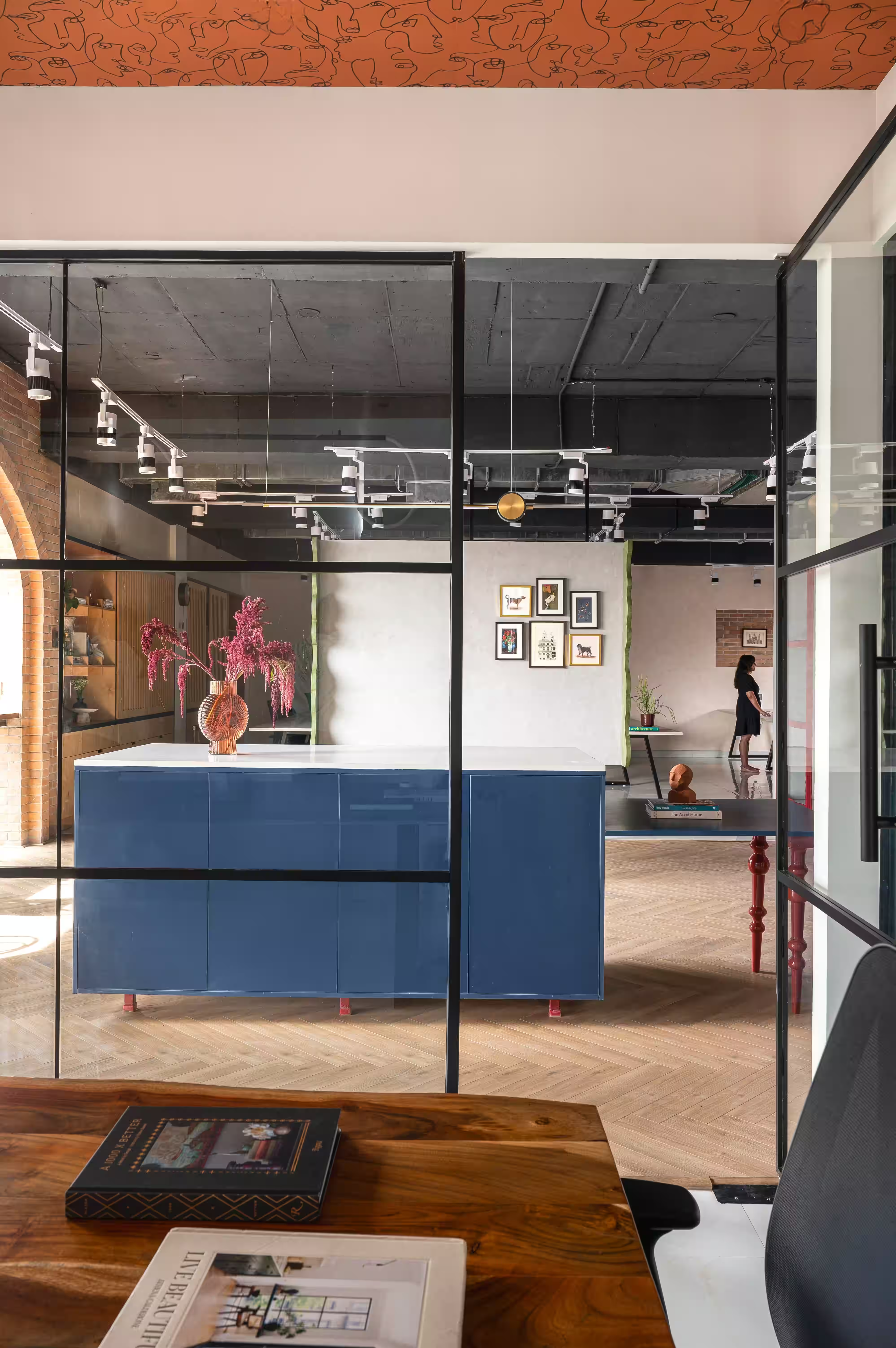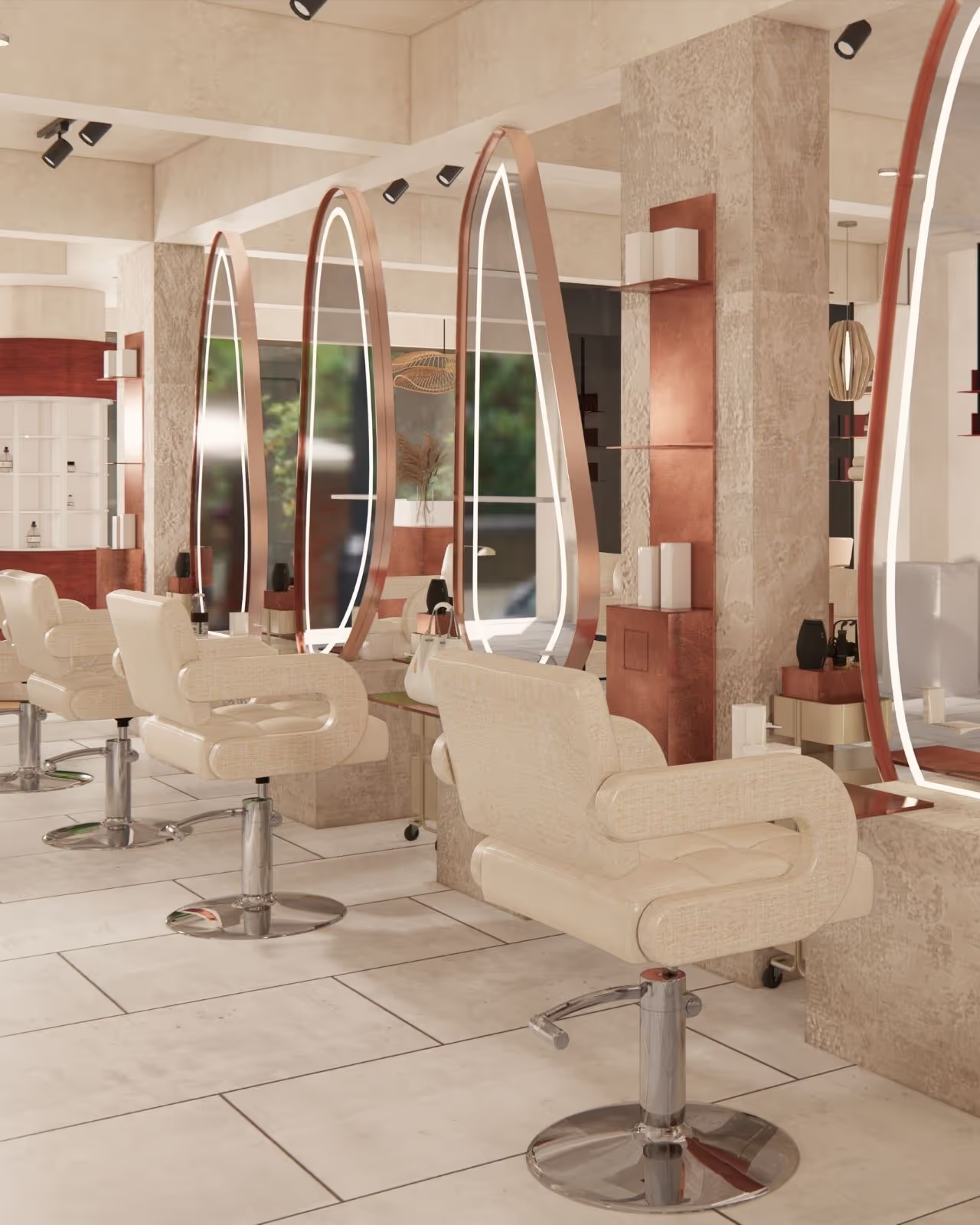
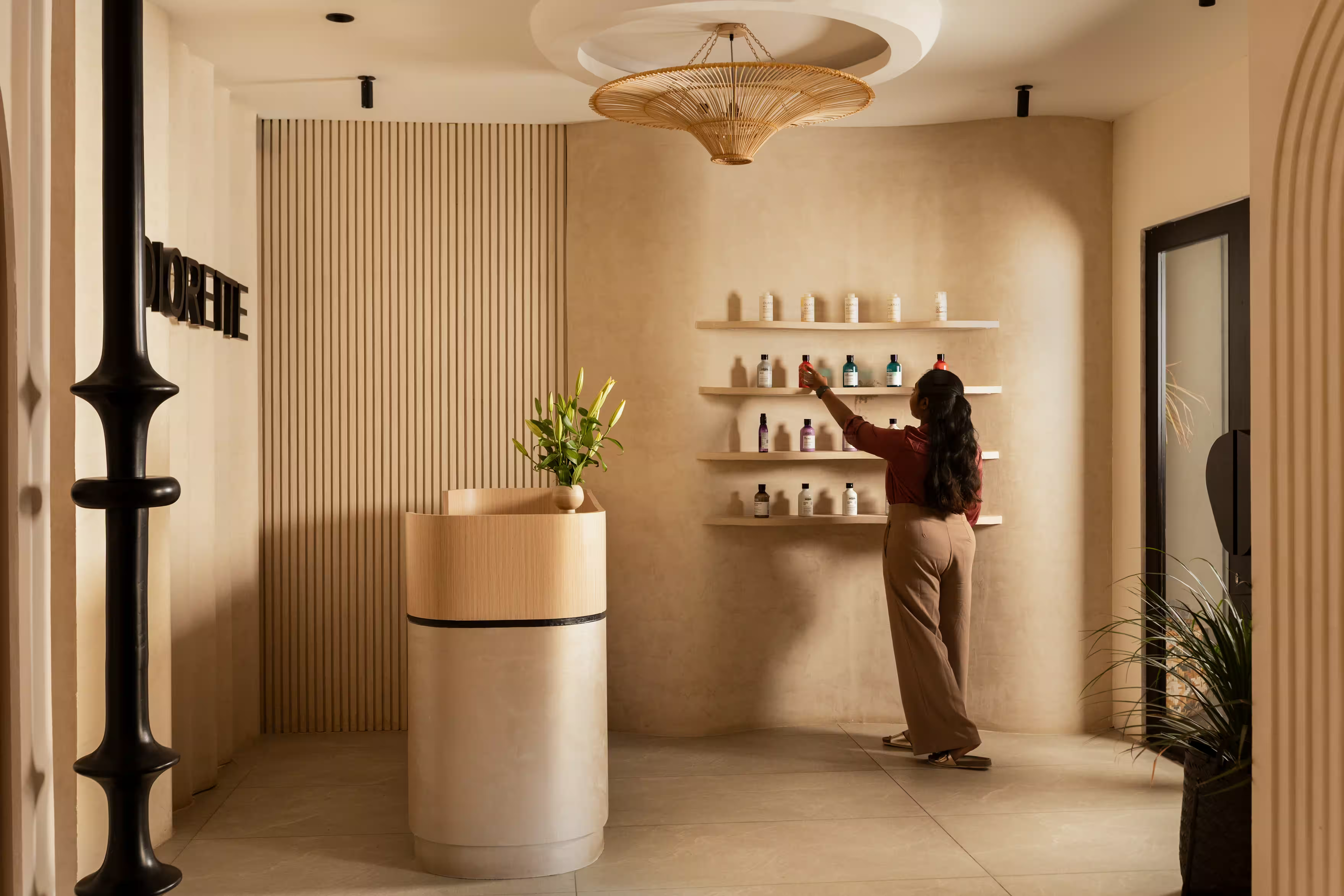
Commercial Office Interior Design Mistakes to Avoid
Introduction Why Office Interior Design Decisions Matter
Office interiors influence far more than how a workspace looks. They directly affect employee productivity, comfort morale and even how a brand is perceived by clients and visitors. A well designed office supports focus collaboration and efficiency while a poorly planned one can slow down operations and increase stress.
A common misconception is that office interior design is only about aesthetics. In reality design decisions impact daily workflows maintenance costs and long term scalability. Poor planning often leads to frequent changes, wasted investments and operational challenges. Commercial office interior design mistakes can negatively affect performance and brand perception making it crucial to address them early.
Mistake 1 - Poor Space Planning and Layout
Inefficient Use of Available Office Space
One of the most common mistakes is not utilising available space effectively. Areas may feel cramped while others remain unused. This imbalance creates discomfort and disrupts workflow.
Overcrowding Versus Underutilisation
Overcrowded workstations reduce comfort while underutilised areas waste valuable real estate. A balanced layout ensures every zone serves a clear purpose.
Ignoring Workflow and Collaboration Needs
Designing without understanding team structure and workflow leads to poor communication and inefficiency. Space planning must support both individual focus and team interaction.
Mistake 2 - Ignoring Employee Comfort and Ergonomics
Uncomfortable Seating and Improper Desk Heights
Furniture that does not support posture leads to discomfort and fatigue. Employees who are physically uncomfortable find it harder to stay focused.
Health Issues Caused by Poor Ergonomics
Improper ergonomics can cause back pain, neck strain and repetitive stress injuries. These issues often result in reduced productivity and higher absenteeism.
Importance of Ergonomic Furniture in Modern Offices
Ergonomic chairs, desks and workstations improve comfort and support long working hours. Investing in ergonomic solutions is essential for employee wellbeing.
Mistake 3 - Inadequate Lighting Design
Over-Reliance on Harsh Artificial Lighting
Excessively bright or poorly placed artificial lighting causes eye strain and headaches. It also makes the office feel uncomfortable.
Lack of Natural Light and Its Impact
Insufficient natural light affects mood energy levels and focus. Workspaces without daylight often feel dull and tiring.
Importance of Layered Lighting
A mix of ambient task and accent lighting supports different activities and improves visual comfort across the office.
Mistake 4 - Choosing Aesthetics Over Functionality
Trend Driven Designs That Do Not Support Operations
Designs based purely on trends may look appealing initially but often fail to meet practical requirements.
Overdecorating Workspaces
Excessive decor creates visual clutter and distracts employees. Offices should feel calm and organised.
Balancing Visual Appeal with Practical Needs
Successful office interiors strike a balance between aesthetics and usability ensuring the space looks good and works efficiently.
Mistake 5 - Poor Acoustic Planning
Noise Distractions in Open Offices
Open layouts without sound control lead to constant noise distractions. This affects concentration and productivity.
Lack of Soundproof Meeting Rooms
Meeting rooms without proper sound insulation compromise privacy and professionalism.
Using Acoustic Panels Carpets and Partitions
Acoustic treatments help absorb sound and create quieter work environments that support focus.
Mistake 6 - Insufficient Storage and Organization
Cluttered Desks and Shared Areas
Lack of storage results in cluttered workstations which increase stress and reduce efficiency.
Poor Filing and Document Storage Solutions
Inadequate filing systems slow down work and create confusion.
Custom Storage Units for Clean Workspaces
Well planned storage keeps the office organised and supports a clean professional look.
Mistake 7 - Ignoring Brand Identity in Office Design
Interiors That Do Not Reflect Company Values
An office should visually communicate the company culture and values. Generic designs miss this opportunity.
Missed Opportunities for Brand Storytelling
Design elements like colours, graphics and materials can tell a brand story when used thoughtfully.
Reinforcing Brand Image Through Design
Consistent use of brand colours layouts and visual cues strengthens identity and creates a sense of belonging.
Mistake 8 - Not Planning for Future Growth
Rigid Layouts That Limit Scalability
Fixed layouts make it difficult to accommodate growing teams or new departments.
Challenges in Expanding Teams
Without flexibility businesses face costly redesigns during expansion.
Flexible Furniture and Modular Solutions
Modular furniture and adaptable layouts allow offices to evolve with business needs.
Mistake 9 - Overlooking Technology and Power Planning
Insufficient Power Outlets and Data Points
Modern offices rely heavily on technology. Poor power planning disrupts workflows.
Poor Cable Management
Visible cables create clutter and safety issues.
Designing Tech Ready Offices
Tech ready design supports seamless integration of devices and modern work systems.
Mistake 10 - Skipping Professional Interior Design Expertise
DIY Decisions Leading to Costly Rework
Designing without expertise often results in mistakes that require expensive corrections.
Lack of Coordination Between Vendors
Poor coordination causes delays, inconsistencies and quality issues.
Benefits of Hiring Experienced Commercial Interior Designers
Professionals bring structured planning technical knowledge and execution expertise.
How a Professional Interior Designer Prevents These Mistakes
Strategic Space Planning and Workflow Analysis
Designers study operations to create layouts that improve efficiency.
Ergonomic Furniture and Material Selection
Professionals select furniture and finishes that balance comfort, durability and aesthetics.
Integrated Lighting Acoustics and Storage Planning
Holistic planning ensures all design elements work together seamlessly.
Delivering Functional Future Ready Office Interiors
Professional designers create offices that support current needs and future growth.
Consult Tesor Designs for smart efficient commercial office interiors in Bangalore.
Conclusion - Design Offices That Support Productivity and Growth
Commercial office interiors require thoughtful planning beyond surface level design. Avoiding common office interior design mistakes helps businesses create productive, comfortable and future ready workplaces. With the right approach offices can support employee wellbeing, operational efficiency and brand strength.
FAQs
- What are the most common commercial office interior design mistakes?
Poor space planning, inadequate lighting, lack of ergonomics and ignoring brand identity are common mistakes.
- How does office layout affect employee productivity?
A well planned layout improves workflow collaboration and comfort which boosts productivity.
- Why is ergonomic furniture important in office design?
Ergonomic furniture supports health comfort and long term efficiency.
- How can lighting improve office performance?
Good lighting reduces fatigue, improves focus and enhances overall work quality.
- Should businesses hire professional office interior designers?
Yes, professional designers help avoid costly mistakes and deliver efficient long lasting office interiors.