Introduction- The Power of a Well Designed Spa Environment
A spa is more than a service driven space. It is a sanctuary where people arrive seeking rest, healing and renewal. The moment a guest steps inside a spa, the environment begins to influence how they feel. Calmness, comfort and a sense of luxury must be experienced instantly and consistently throughout the space.
Ambience plays a powerful role in shaping the overall spa experience. Lighting colors, textures, sounds and scents work together to relax the body and mind. A thoughtfully planned spa room design blends wellness and aesthetics to create an immersive experience that feels restorative rather than transactional.
Interior designers for spa environments craft spaces that rejuvenate the senses and leave a lasting impression. When design is done right, it enhances not only the client experience but also the brand perception of the spa.
Foundations of an Effective Spa Interior Design
The Three Pillars Calm Comfort and Luxury
Successful spa interiors are built on three core pillars. Calm creates emotional ease. Comfort supports physical relaxation. Luxury elevates the experience and makes guests feel valued. These elements must work together seamlessly rather than compete for attention.
Understanding the Psychology of Relaxation
Relaxation occurs when the senses are gently engaged and not overwhelmed. Soft visuals soothing textures and predictable spatial flow help the brain slow down. When the environment feels safe and balanced the body naturally begins to relax.
How Spatial Design Influences the Client Experience
Clear circulation and intuitive layouts reduce confusion and stress. Guests should move effortlessly from one area to another without feeling rushed or disoriented. Spatial planning is as important as visual design in spa interiors.
Choosing the Right Color Palette for Serenity
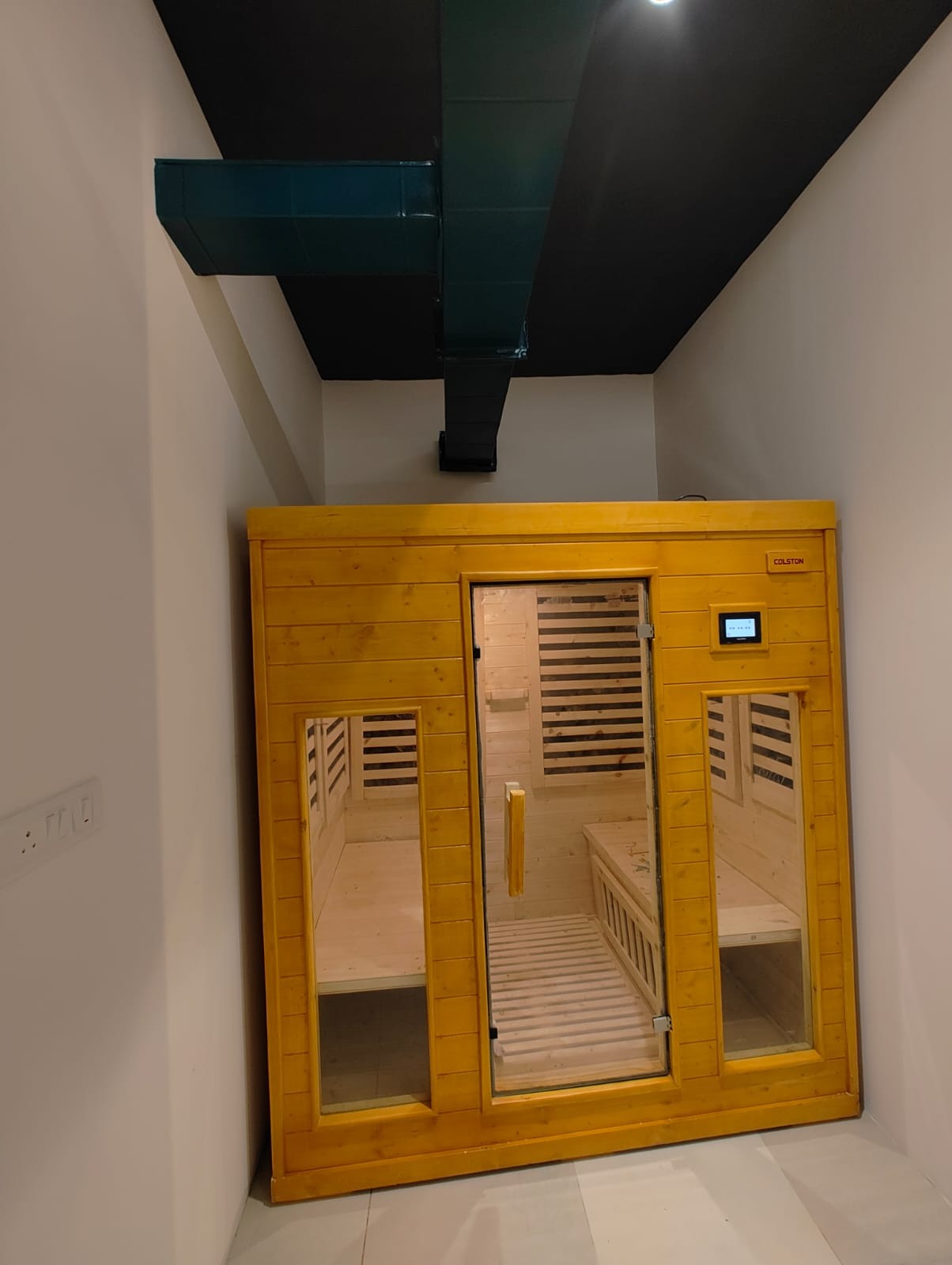
Earthy Tones and Natural Hues
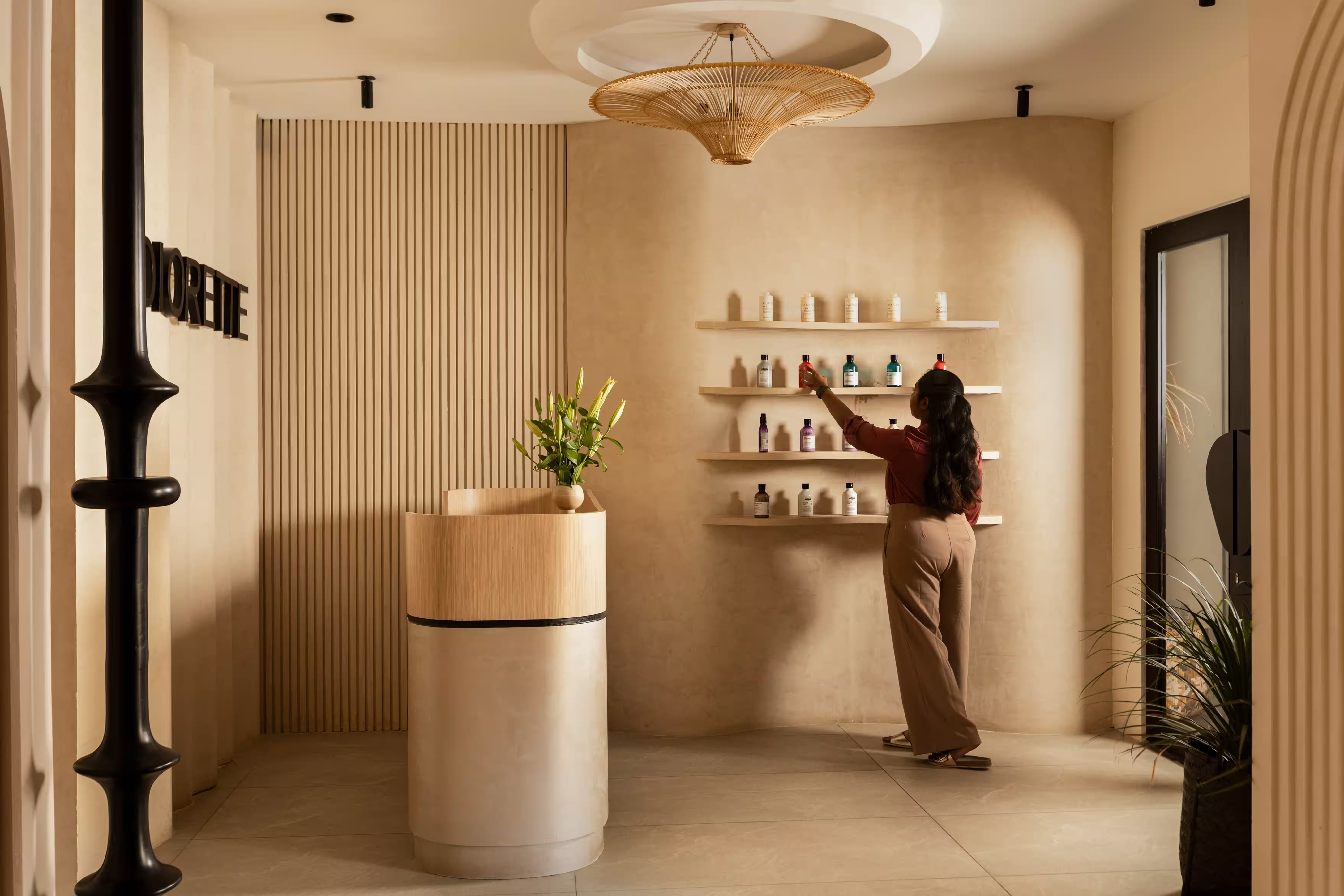
Colors inspired by nature help ground the space. Shades of beiges and soft browns, muted greens and gentle pastels are commonly used in spa interiors. These tones create a sense of warmth and balance.
Color Psychology for Calming Spaces
Soft colors reduce visual tension and encourage relaxation. Neutral palettes also allow other elements like textures and lighting to stand out without overpowering the senses.
Avoiding Overstimulating Colors
Bright and saturated colors can feel energising rather than calming. In spa environments, it is best to avoid harsh contrasts and loud hues that disrupt the peaceful atmosphere.
Lighting Design That Enhances Relaxation
Soft Warm Lighting for Ambience
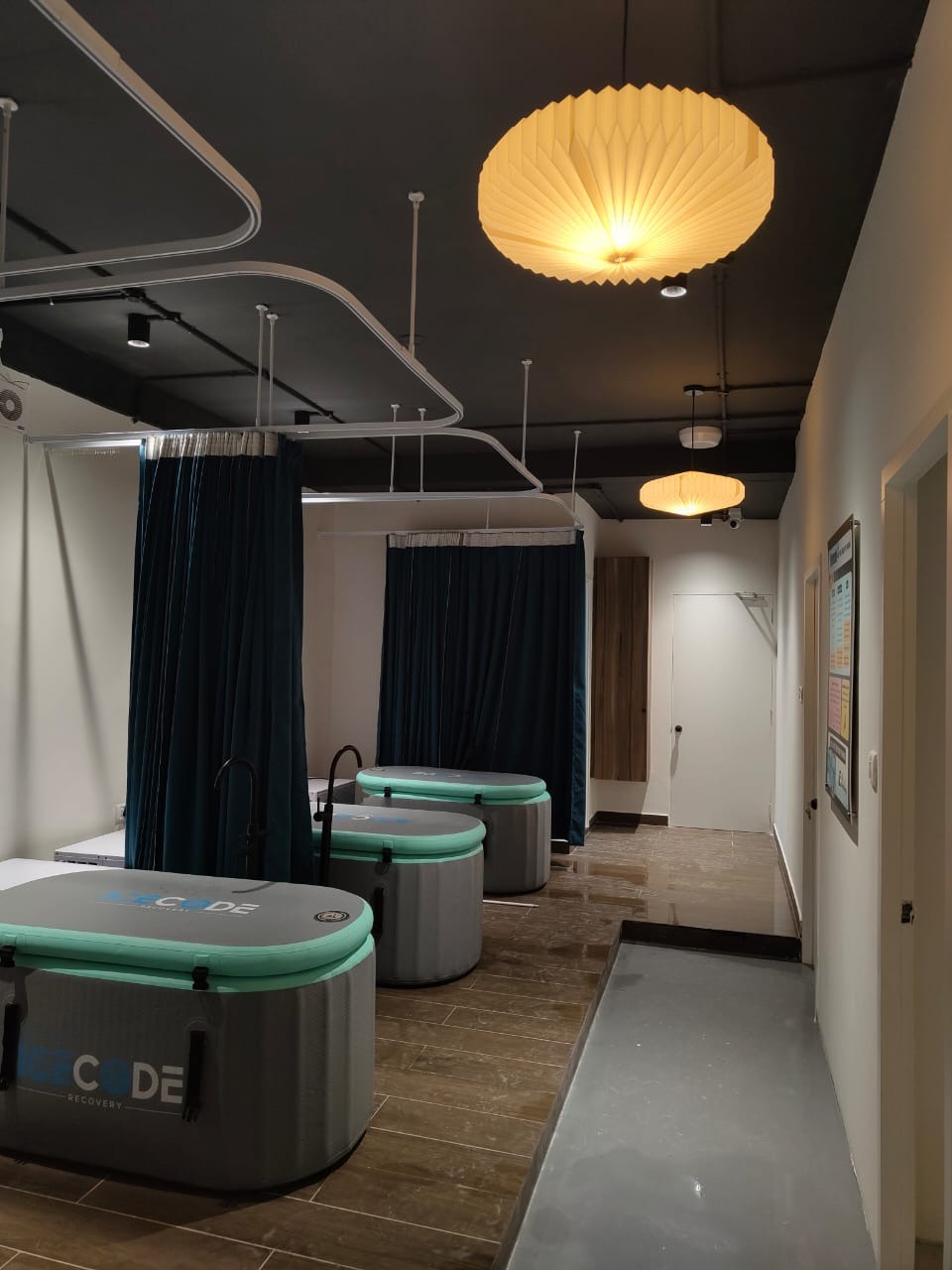
Lighting sets the emotional tone of a spa. Warm and diffused lighting creates a soothing environment that immediately puts guests at ease. It helps soften features and reduces visual strain.
Indirect Lighting and Dimmable Systems
Indirect lighting prevents glare and creates a gentle glow. Dimmable systems allow light levels to be adjusted based on the time of day or treatment type. Candles can also be used thoughtfully to enhance intimacy.
Avoiding Harsh Overhead Lights
Strong overhead lighting can feel clinical and uncomfortable. In spa rooms lighting should feel layered and subtle rather than direct and intense.
Layered Lighting for Different Zones
Treatment rooms, waiting areas and reception spaces each require different lighting moods. Layered lighting ensures functionality without compromising relaxation.
Natural Materials and Textures for a Spa Feel
Use of Wood Stone and Natural Fibers
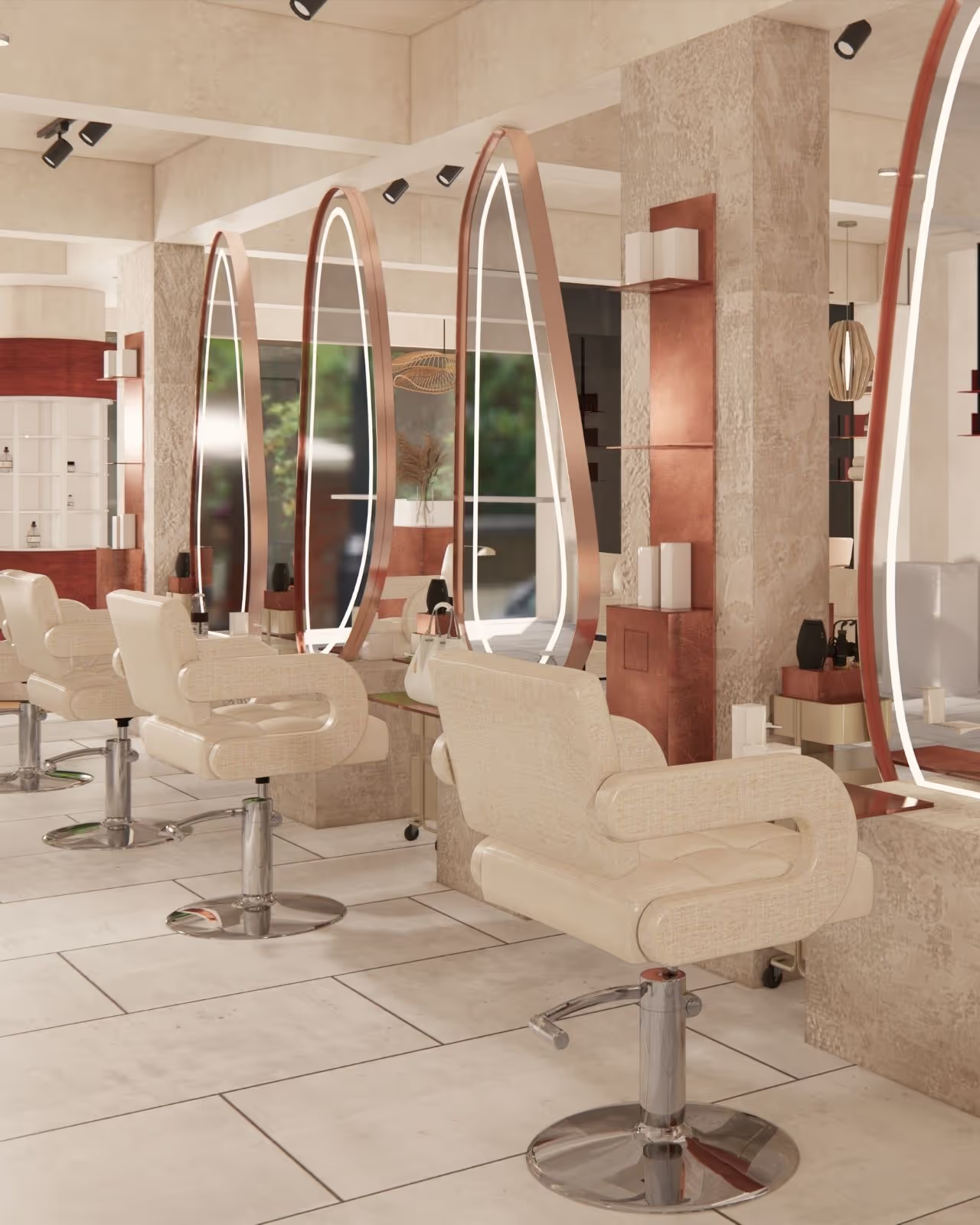
Natural materials bring warmth and authenticity to spa interiors. Wood stone bamboo linen and other natural fibers create a tactile experience that feels grounding and organic.
Sensory Comfort Through Texture and Sound
Textures influence how a space feels emotionally. Soft fabrics, smooth surfaces and quiet materials help absorb sound and enhance comfort. Even subtle sounds like flowing water can add to the calming effect.
Biophilic Elements Inspired by Nature
Design elements that reflect nature help reduce stress and support wellbeing. Indoor plants' natural finishes and organic forms bring a sense of the outdoors into the spa environment.
Signature Elements That Define Luxury Spa Design
Plush Seating and Rich Fabrics
Luxury in spa interiors is often expressed through comfort. Plush seating, warm robes and high quality fabrics make guests feel cared for and relaxed.
Aromatherapy Features
Fragrance plays a powerful role in memory and emotion. Diffusers and scented oils with calming notes help create a signature sensory experience that guests associate with the brand.
Water Features
Water elements such as small fountains or gentle flowing installations, add a soothing auditory layer. They also symbolise purity and renewal.
Curated Art and Decor Accents
Minimal and thoughtfully chosen decor enhances the space without clutter. Art and accents should support the overall mood rather than draw attention away from it.
Functional Layout Planning for Spa Rooms
Smooth Flow Between Spaces
A spa should have a natural progression from reception to changing areas and treatment rooms. Clear transitions help guests relax without feeling rushed or confused.
Soundproofing for Privacy
Privacy is essential in spa environments. Soundproofing techniques help ensure that treatment rooms remain quiet and undisturbed.
Zoning for Different Functions
Separate zones for massage steam facial treatments and waiting lounges help maintain calm and order. Each zone should feel distinct yet cohesive.
Hygienic Materials and Surfaces
Spa interiors must balance luxury with hygiene. Materials should be easy to clean, durable and suitable for high moisture environments without compromising aesthetics.
Creating a Sensory Experience Beyond Visual Design
Soft Music and Soundscapes
Gentle music or nature inspired soundscapes enhance relaxation and mask unwanted noise. Sound should be subtle and consistent throughout the space.
Spa Aromas
Scents like lavender lemongrass and eucalyptus are commonly used for their calming and refreshing properties. Aroma should never feel overpowering.
Controlled Temperature for Comfort
Maintaining a comfortable temperature is essential. Guests should feel warm and relaxed without discomfort during treatments.
Tactile Comfort Elements
Warm towels, plush bedding and soft surfaces enhance the physical experience and contribute to overall relaxation.
Storage Organization and Cleanliness
Decluttered Spaces Encourage Calm
Clutter disrupts relaxation. Clean open spaces help guests feel mentally at ease and focused on their experience.
Built In Storage Solutions
Hidden storage for towels, oils and tools keeps spa rooms organised and visually clean. Built in shelves maintain accessibility without clutter.
Clean Lines and Minimal Distraction
Simple design lines and minimal visual elements help maintain a calm atmosphere and reinforce a sense of luxury.
A Spa Environment Designed for Rejuvenation
A successful spa interior design is rooted in calm comfort and luxury. Every design choice from lighting and color to layout and materials contributes to how guests feel during their visit. A well planned spa room design transforms guest experience and strengthens brand perception by creating a space that truly rejuvenates the senses.
FAQs
- What are the key elements of a relaxing spa interior design?
Soft lighting, natural materials calming colors, sensory comfort and thoughtful layout planning are essential.
- How do colors impact the mood in a spa room?
Colors influence emotional response. Soft neutral and nature inspired shades help promote relaxation and calmness.
- What lighting is best for spa environments?
Warm layered and indirect lighting works best as it creates a soothing and intimate atmosphere.
- How do interior designers create a luxurious spa ambience?
They combine comfort focused furniture rich textures, sensory elements and cohesive spatial planning.
- Are natural materials better for spa interior design?
Yes, natural materials enhance sensory comfort, support wellbeing and create a more authentic spa experience.