Sustainable Home Interior Design Eco Friendly Ideas for Modern Homes
Introduction What Is Sustainable Interior Design
Sustainable interior design focuses on creating homes that are healthy for people and gentle on the planet. It is about making conscious design choices that reduce environmental impact while still delivering comfort style and long term value. Rather than following short lived trends sustainable interiors prioritise materials systems and layouts that age well and perform efficiently.
At its core sustainable interior design combines eco friendly materials, energy efficiency and responsible sourcing. It supports healthier indoor environments, better air quality and reduced waste. For modern homeowners sustainability is no longer an option but a thoughtful approach to living well while caring for the environment.
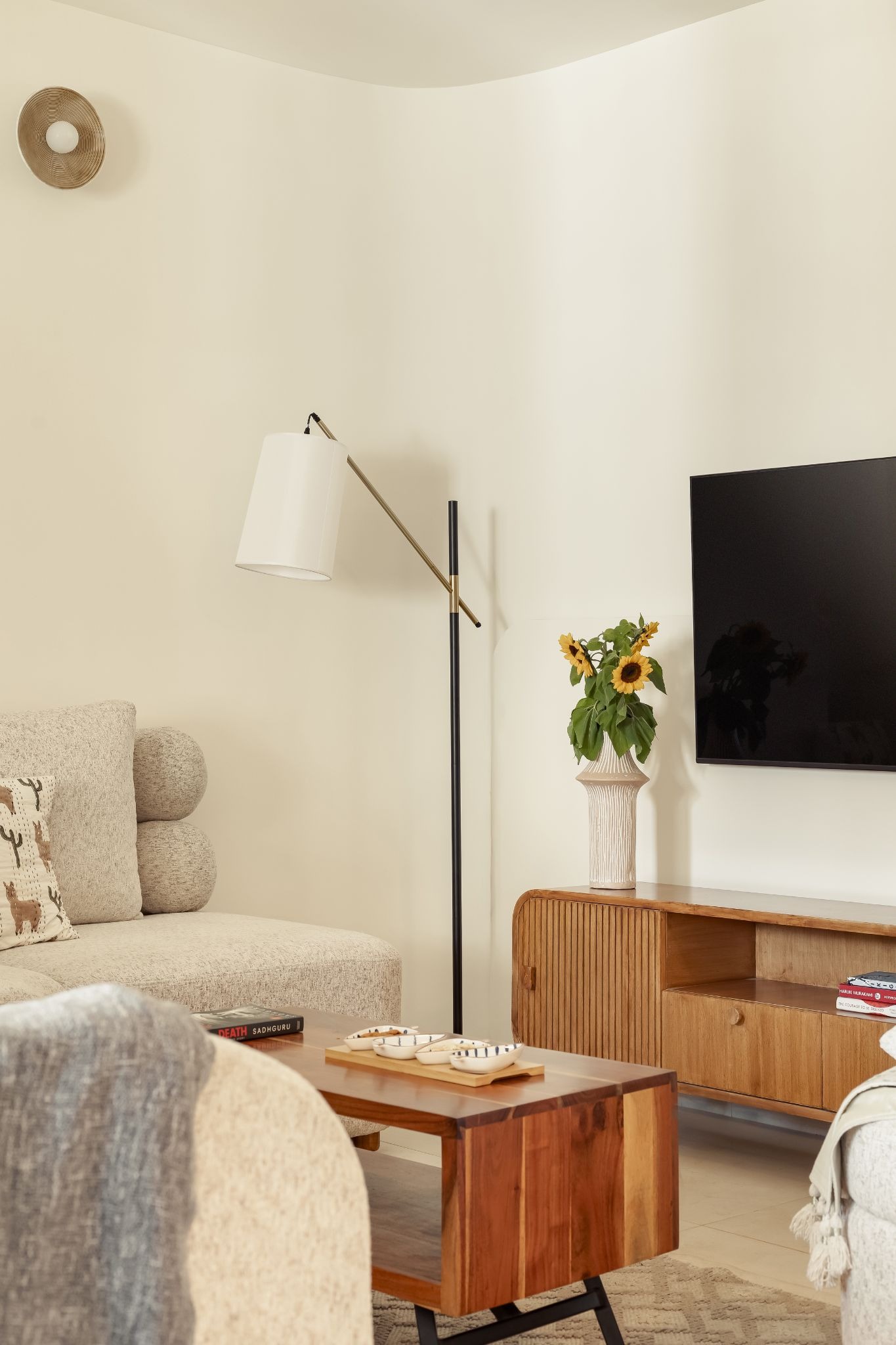
The Principles of Sustainable Interior Design
Reduce Minimise Waste
Reducing waste begins at the design stage. Thoughtful planning avoids overproduction, unnecessary demolition and excess materials. Efficient layouts, durable finishes and accurate measurements help minimise waste during execution and throughout the life of the home.
Reuse Choose Reusable or Upcyclable Elements
Reusing existing furniture doors, wooden beams or metal fixtures helps preserve resources and adds character to interiors. Upcycling old elements with new finishes or upholstery extends their life while reducing landfill waste.
Recycle Materials with Recycled Content
Recycled materials such as glass tiles, reclaimed wood and recycled metals reduce the need for new raw materials. These options offer durability and aesthetic appeal while supporting circular design practices.
Renew Use Renewable Low Impact Resources
Renewable materials like bamboo cork wool and jute regenerate faster and have a lower environmental footprint. Using these resources supports sustainable supply chains and long term ecological balance.
Choosing Sustainable Materials for Interiors
Low VOC Paints and Finishes
Low VOC paints reduce harmful emissions and improve indoor air quality. They are safer for families, children and pets while maintaining rich colour depth and finish quality.
Reclaimed Wood and Bamboo
Reclaimed wood adds warmth and history to interiors while bamboo offers strength and renewability. Both materials are excellent choices for flooring furniture and wall accents.
Recycled Metal and Glass
Recycled metals and glass are durable and versatile. They are commonly used in lighting fixtures, hardware partitions and decorative elements.
Natural Fiber Rugs and Textiles
Rugs made from jute wool and cotton are biodegradable, breathable and long lasting. They add texture and comfort without synthetic chemicals.
Organic Fabrics and Upholstery
Organic fabrics are free from harmful dyes and treatments. They support healthier indoor environments and feel soft and comfortable for everyday use.
Sustainable Lighting and Energy Efficiency
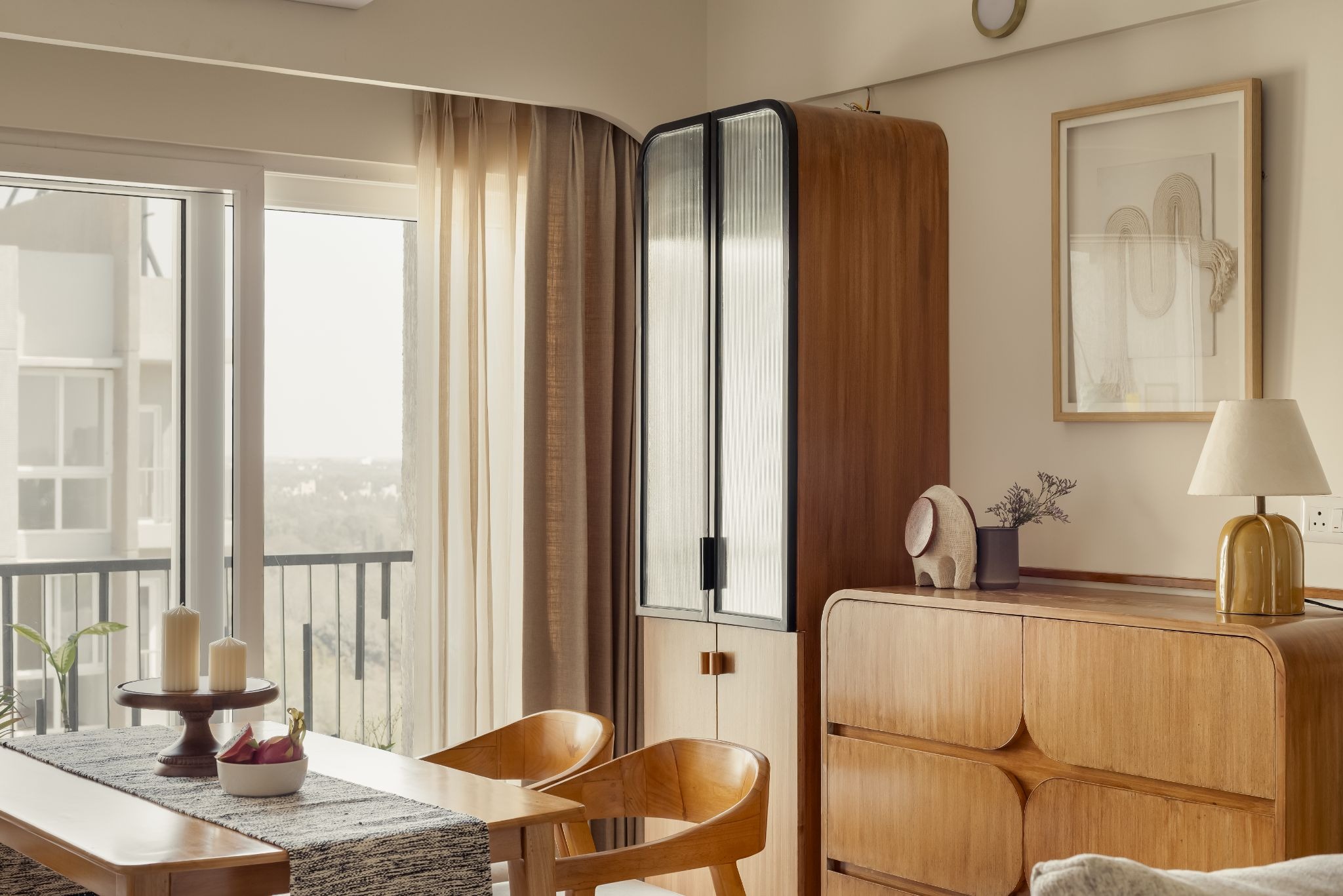
Natural Light Maximisation
Designing layouts that maximise daylight reduces dependence on artificial lighting. Larger windows, reflective surfaces and open plans allow light to flow freely through spaces.
LED and Energy Saving Fixtures
LED lighting consumes less energy and lasts significantly longer. It is one of the simplest ways to improve energy efficiency in modern homes.
Smart Lighting Controls
Automated lighting systems adjust brightness based on usage and time of day. This reduces unnecessary energy consumption while improving convenience.
Skylights and Solar Tubes
Skylights and solar tubes introduce natural light into darker areas like corridors and bathrooms. They enhance comfort and reduce electricity usage during the day.
Green Flooring Options
Cork Flooring
Cork is renewable, comfortable underfoot and naturally insulating. It is ideal for bedrooms and living areas.
Bamboo Wood Flooring
Bamboo grows quickly and offers durability similar to hardwood. It suits modern homes seeking sustainable elegance.
Recycled Tile and Stone
Tiles made from recycled materials reduce waste while providing strength and visual appeal. They work well in kitchens and bathrooms.
Wool and Jute Rugs
These rugs are biodegradable and naturally resistant to dust. They add warmth and texture while supporting sustainable living.
Indoor Air Quality and Healthy Spaces
Air Purifying Plants
Indoor plants like snake plant peace lily and areca palm help filter air and improve humidity levels. They also bring a calming natural element into the home.
Low VOC Paints and Finishes
Using low emission paints, adhesives and sealants reduces indoor toxins and improves respiratory health.
Natural Ventilation Strategies
Cross ventilation operable windows and breathable layouts allow fresh air circulation. This reduces reliance on mechanical cooling systems.
Sustainable HVAC and Filters
Energy efficient HVAC systems paired with high quality filters maintain comfort while reducing energy use and improving air quality.
Water Conservation Strategies in Interiors
Low Flow Faucets and Fixtures
Low flow fixtures reduce water usage without affecting performance. They are essential in kitchens and bathrooms.
Water Efficient Appliances
Modern appliances consume less water and energy. Choosing certified efficient models supports sustainability and long term savings.
Greywater Reuse Ideas
Greywater systems reuse water from sinks and showers for non potable purposes like flushing or landscaping.
Rainwater Harvesting Integration
Rainwater harvesting systems can be integrated into residential planning for cleaning and gardening needs.
Color and Texture for Eco Chic Interiors
Earth Tones and Calming Palettes
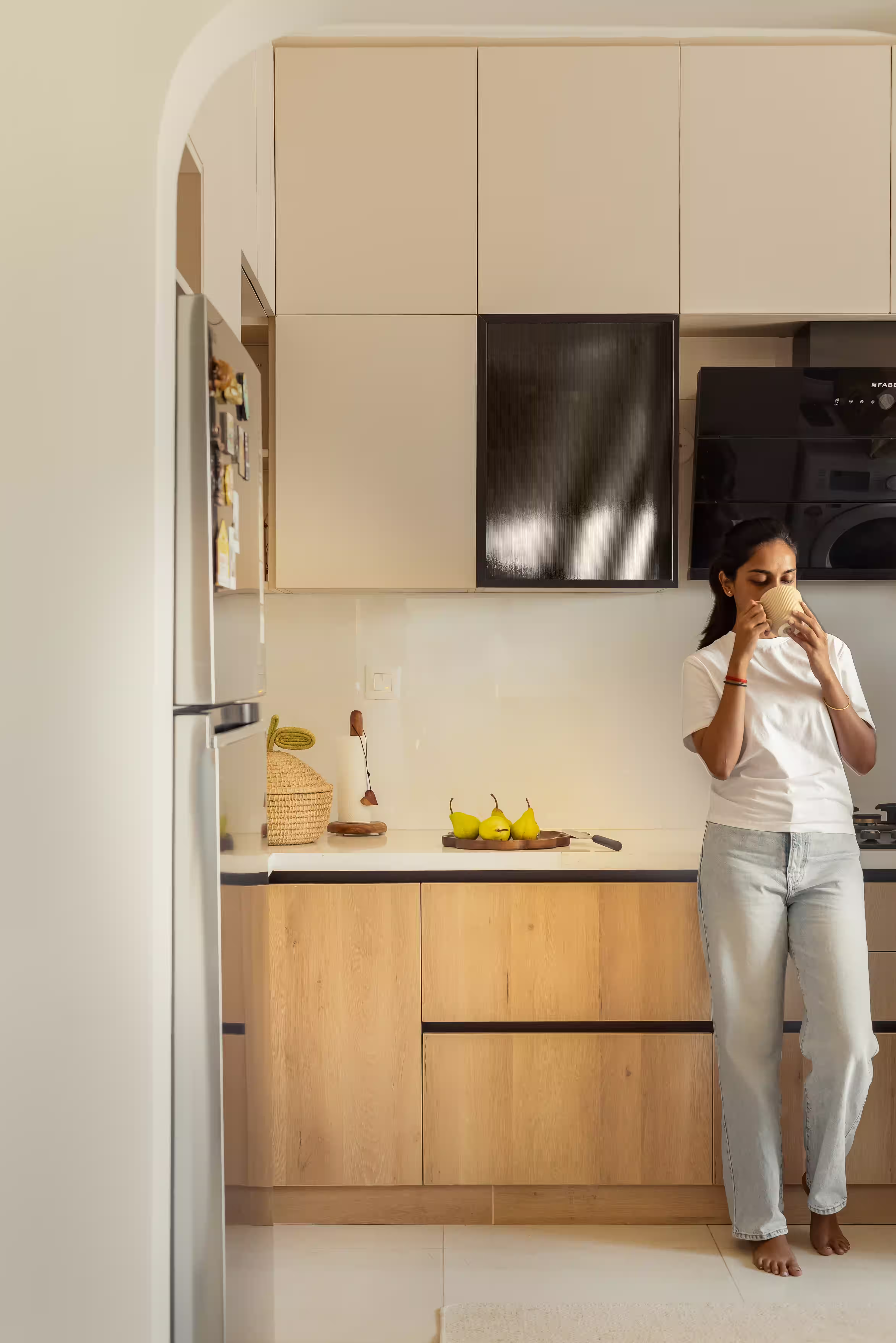
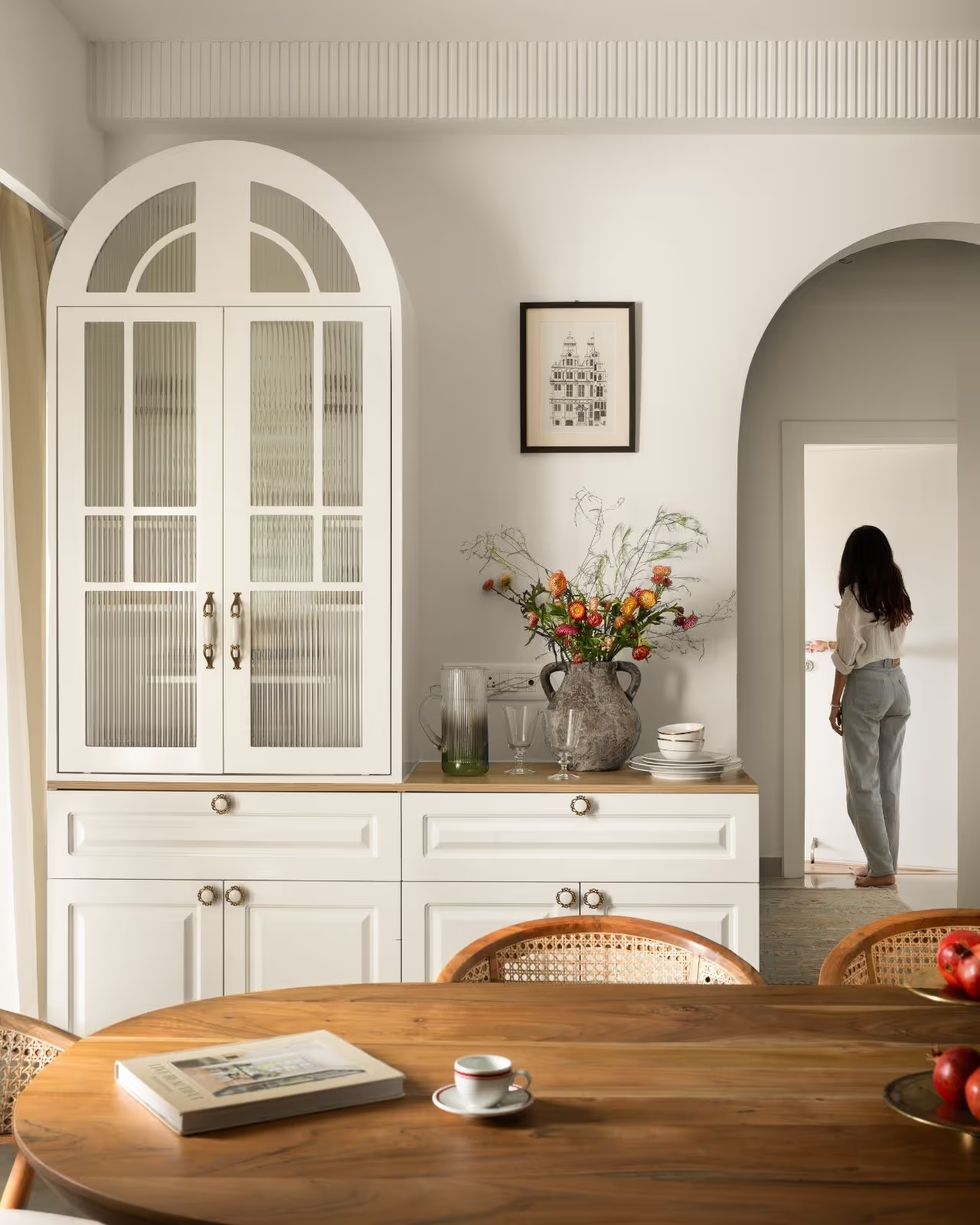
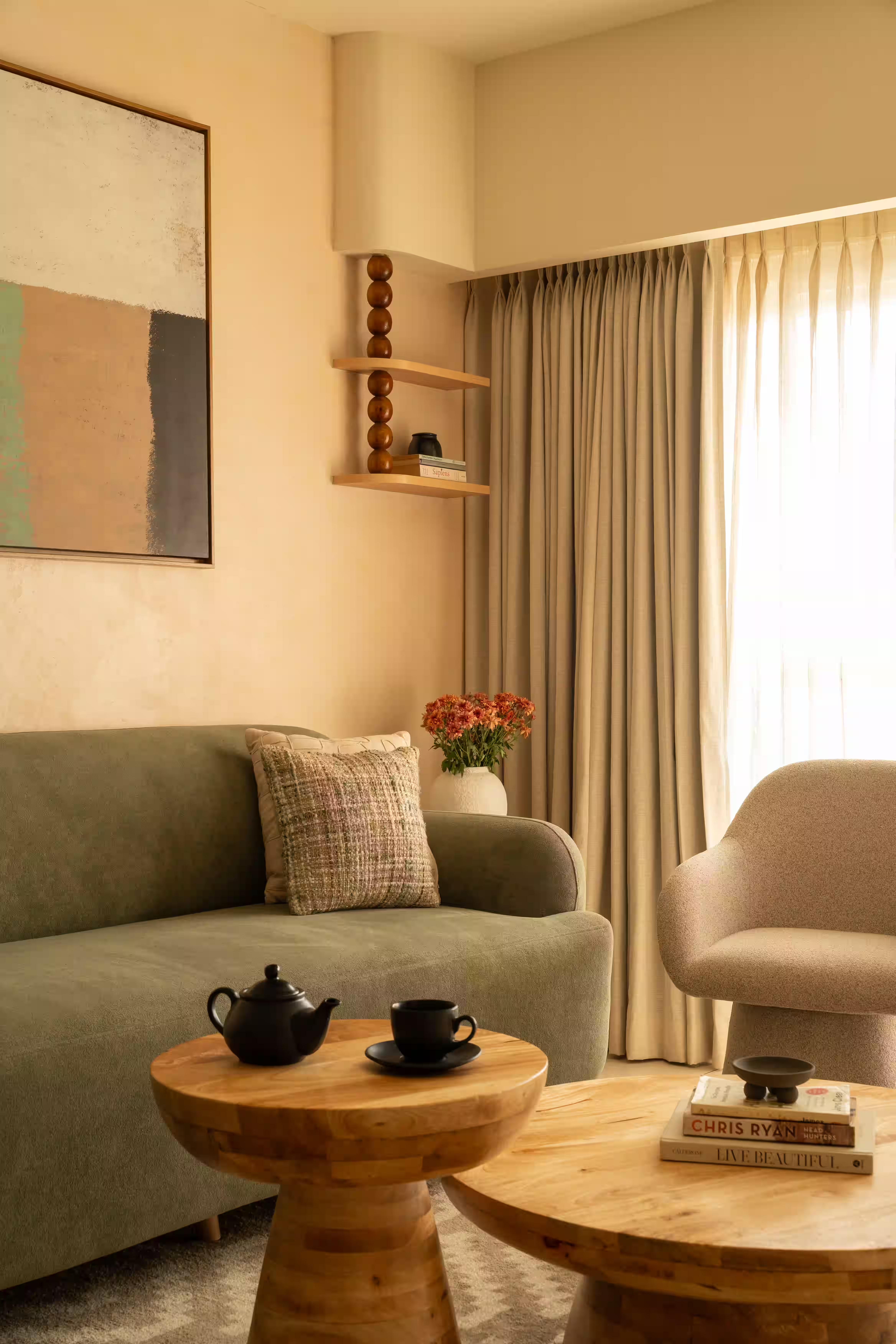
Colors inspired by nature like beige clay green and soft browns create calm balanced interiors. These shades also age well over time.
Natural Textures for Warmth
Wood grains, stone finishes and woven textiles add depth and warmth without artificial treatments.
Sustainable Accent Walls
Accent walls using reclaimed wood lime plaster or textured paints add character while staying eco friendly.
Eco Friendly Textile Finishes
Natural dyes and sustainable finishes reduce chemical exposure and enhance fabric longevity.
Smart Home Technology for Sustainable Living
Energy Monitoring Systems
Energy monitoring helps homeowners track consumption and identify areas for improvement.
Automated Thermostats
Smart thermostats regulate temperature efficiently, reducing energy waste and improving comfort.
Smart Shading and Blind Systems
Automated blinds adjust with sunlight reducing heat gain and cooling requirements.
Renewable Energy Integration
Solar panels and renewable energy systems support self sufficient and sustainable living when integrated thoughtfully.
How Luxury Interior Designers Make Sustainability Stylish
Bespoke Solutions Built Around Lifestyle
Designers tailor sustainable solutions based on how clients live ensuring comfort functionality and elegance.
Sustainable Sourcing Expertise
Luxury interior designers have access to trusted suppliers who offer certified sustainable materials.
Three Dimensional Visualisations for Eco Friendly Planning
Visualisations help clients see how sustainable choices look and function before execution.
End to End Execution in Bengaluru Homes
Local expertise ensures climate responsive design material availability and efficient project delivery.
Work with luxury interior designers in Bangalore to create eco conscious yet elegant homes.
Common Sustainable Design Mistakes to Avoid
- Choosing products labelled sustainable without verifying certifications
- Ignoring long term maintenance and lifecycle costs
- Poor lighting design that increases energy use
- Compromising indoor air quality for aesthetics
Conclusion - Sustainable Design for Modern Comfort and Responsibility
Sustainable interior design brings together comfort, style and responsibility. By choosing eco-friendly materials, efficient systems and mindful planning homeowners can create spaces that support wellbeing and reduce environmental impact. Sustainability and luxury coexist when design decisions are thoughtful, intentional and future focused.
FAQs
- What are the best sustainable materials for home interiors?
Bamboo reclaimed wood cork low VOC paints and natural fabrics are excellent sustainable options.
- How can I make my home interior more eco friendly on a budget?
Start with energy efficient lighting, low VOC paints and reusing existing furniture.
- Are luxury interior designers in Bangalore experienced in sustainable design?
Yes many designers specialise in creating sustainable interiors suited to modern urban homes.
- What lighting options are best for green homes?
LED lighting, natural daylight strategies and smart lighting controls work best.
- How do I improve indoor air quality with design choices?
Use low VOC materials, add indoor plants ensure good ventilation and choose efficient HVAC systems.
- What color palette works best for sustainable interior design?
Earth tones neutrals and nature inspired shades create calm long lasting interiors.
- How do I choose eco friendly paints for my home?
Look for certified low VOC or zero VOC paints that offer durability and safe finishes.