.jpg)
How to Create a Calm and Relaxing Bedroom Space | Tesor Designs
Why Your Bedroom Should Feel Like a Sanctuary
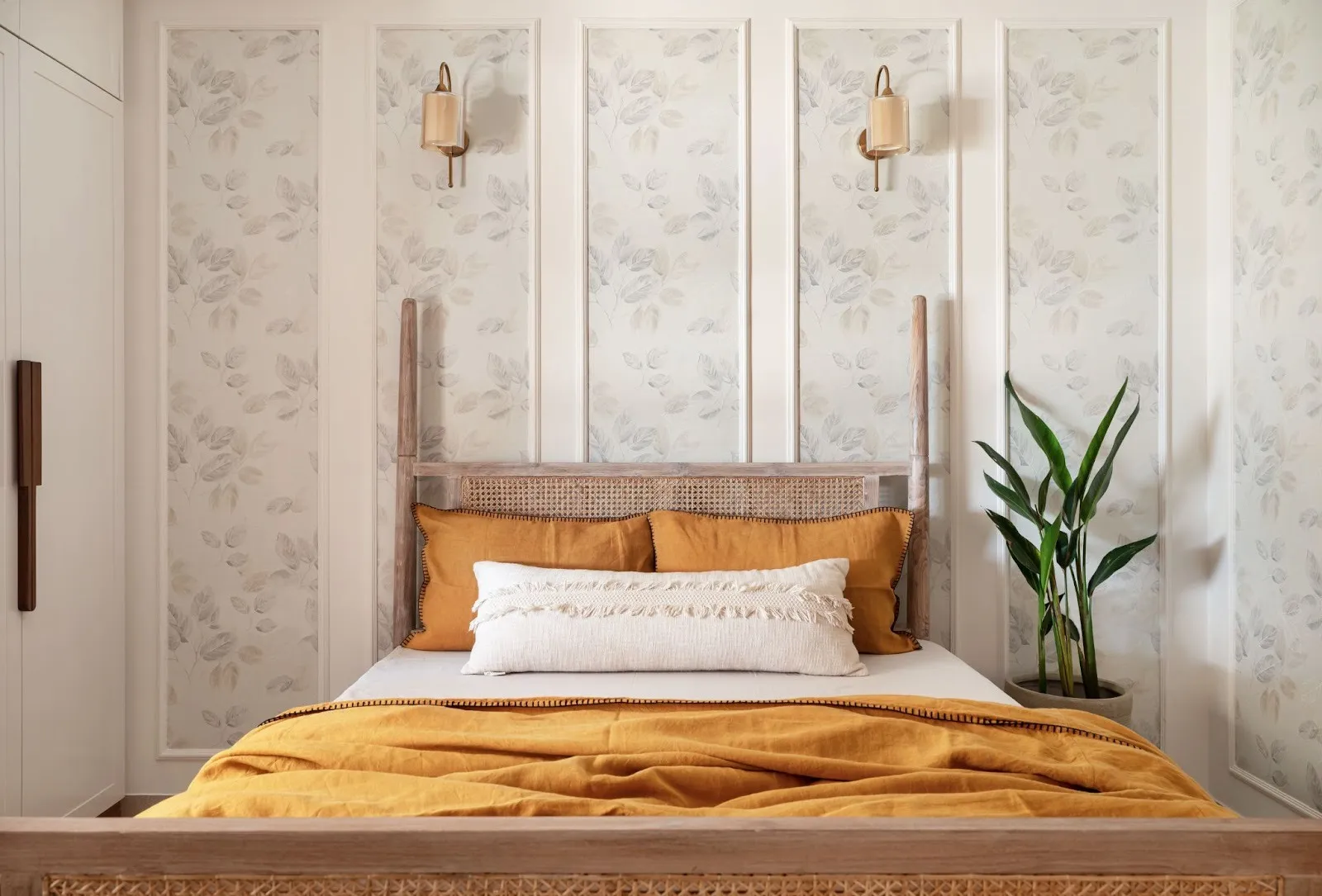
Your bedroom is the one space in your home that should allow you to completely switch off. It is where your body rests, your mind slows down and emotional balance is restored. In a fast paced urban lifestyle filled with constant stimulation, the bedroom becomes a personal retreat rather than just a place to sleep.
City living often comes with noise, long work hours and digital overload. This makes it even more important to design a bedroom that feels calm and grounding. A relaxing bedroom is built through thoughtful interior design choices that prioritise comfort, softness and simplicity. When designed intentionally, the bedroom supports better sleep, improved mood and overall wellbeing.
Start with a Soft and Balanced Color Palette
The Psychology of Colors in Bedrooms
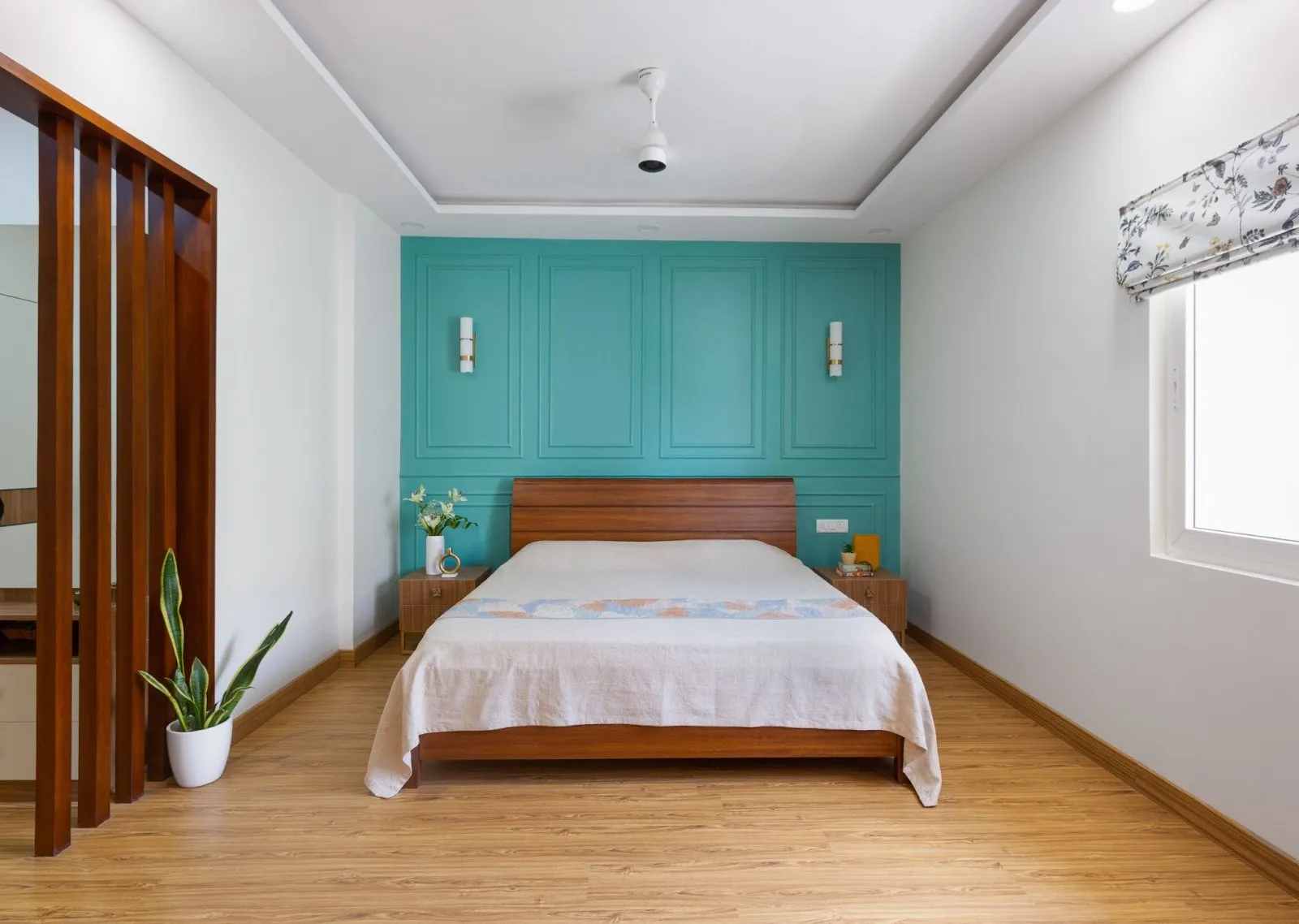
Colors have a direct impact on how we feel. Soft and muted tones help the nervous system relax and prepare the body for rest. Shades like warm whites soft beige muted greys sage green and powder blue are commonly used in calming bedroom interiors.
These colors create a sense of openness and ease without overwhelming the senses. They also act as a neutral backdrop that allows textures and lighting to stand out gently.
Avoid Overly Bright or Loud Colors
Bright reds, neon tones and very bold contrasts tend to energise the mind. While they may look striking they are not ideal for a space meant for relaxation. Limiting strong colors to subtle accents helps maintain a soothing atmosphere.
Using Textures to Create Warmth
When working with a neutral palette texture becomes essential. Layered fabrics, natural wood finishes and soft furnishings add warmth and depth without visual clutter. This balance makes the bedroom feel cozy rather than flat.
Prioritize Comfort Through the Right Furniture
A Supportive Bed and Mattress
The bed is the heart of the bedroom. A well designed bed frame paired with a high quality mattress directly impacts sleep quality. Choose proportions that suit the room size so the space feels open and breathable.
Minimal Furniture to Reduce Clutter
A relaxing bedroom does not need excessive furniture. Nightstands, a storage bench or a compact dresser are usually sufficient. Keeping furniture minimal improves circulation and reduces visual stress.
Role of Custom Bedroom Furniture
Custom bedroom furniture allows for better balance and harmony. Wardrobes headboards and storage units designed specifically for the room help maintain symmetry and prevent overcrowding. Custom solutions also allow hidden storage which keeps the space visually calm.
Use Lighting to Set the Perfect Mood
Layered Lighting for Balance
A well lit bedroom uses multiple layers of lighting. Ambient lighting provides overall softness, task lighting supports reading or dressing and accent lighting adds warmth and character.
Warm Tones Over Cool Tones
Warm lighting creates a soothing and inviting environment. Cool white lighting tends to feel harsh and stimulating. Using warm toned bulbs helps signal the body that it is time to relax.
Dimmable Options for Relaxation
Dimmable lights allow you to control brightness based on time and mood. Lower light levels in the evening help the body transition into rest mode naturally.
Soft Lighting Elements
Table lamps wall sconces and cove lighting soften shadows and eliminate harsh glare. These elements create a gentle glow that enhances comfort.
Keep the Space Clutter Free and Airy
Organization Tricks for a Peaceful Environment
A cluttered bedroom often leads to a cluttered mind. Keeping surfaces clear and storage well organised instantly makes the room feel calmer. Use trays, baskets and drawer dividers to keep essentials neatly arranged.
Smart Storage for Modern Apartments
Apartments often have limited space which makes smart storage essential. Beds with storage integrated wardrobes and concealed compartments help keep belongings out of sight.
Wardrobes with Planned Compartments
Wardrobes designed with proper internal planning reduce visual chaos. Dedicated sections for clothing accessories and linens make daily routines smoother and more peaceful.
Add Natural Elements for a Sense of Calm
Use of Natural Materials
Materials like wood linen cotton rattan and cane bring warmth and a tactile quality to the bedroom. These materials connect the space to nature and create a grounded feeling.
Plants for Mood Upliftment
Low maintenance indoor plants help purify air and elevate mood. Even a small plant on a bedside table or near a window adds life and freshness to the room.
Soft Curtains for Natural Light
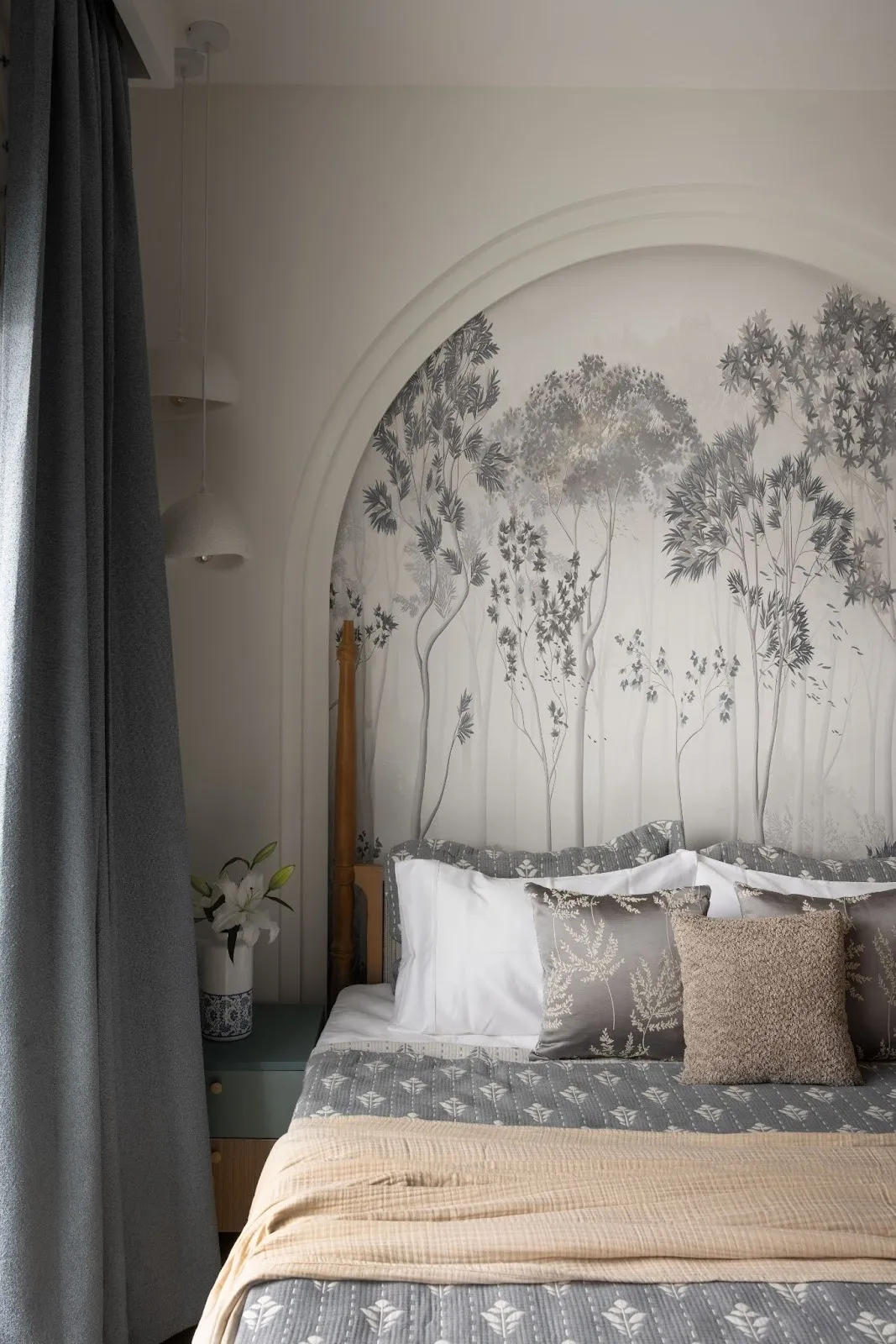
Light filtering curtains allow daylight to enter gently. This creates a calm morning ambience and avoids harsh sunlight.
Incorporate Textures and Layers for Comfort
Soft Furnishings That Invite Relaxation
Layering rugs, bedding cushions and throws adds comfort and visual softness. These elements make the bedroom feel welcoming and lived in.
Soothing Fabrics
Choose fabrics that feel pleasant against the skin such as cotton linen and soft blends. Comfort is as much about touch as it is about appearance.
Minimal Patterns for Visual Calm
Subtle patterns or solid textures work best in relaxing bedrooms. Too many patterns can overwhelm the eye and disrupt the calm atmosphere.
Reduce Visual Noise with Minimalist Design
Clean Lines and Functional Decor
Minimalist design focuses on clean lines and purpose driven decor. This helps the bedroom feel open and restful rather than busy.
Avoid Overdecorating
Too many decor items create visual noise. Limiting accessories allows the room to breathe and keeps attention on comfort.
Keep Only Meaningful Pieces
Personal items should add emotional value rather than clutter. A single artwork or a few cherished objects are enough to personalise the space.
Create Personalized Relaxation Zones
A Reading Corner
If space allows, a small chair with soft lighting can become a peaceful reading spot. This adds function without disturbing the calm vibe.
Aromatherapy for Relaxation
Diffusers and scented candles with calming fragrances like lavender or sandalwood help create a relaxing sensory experience.
Meditation or Quiet Corners
A simple corner with a mat or cushion can serve as a space for quiet reflection or meditation.
Soundproofing and Sensory Comfort
Reducing Noise Through Soft Surfaces
Rugs upholstered headboards and curtains help absorb sound. This improves acoustic comfort and reduces external noise.
Engaging the Senses
Soft music, gentle scents and tactile fabrics work together to create a holistic calming experience. A relaxing bedroom addresses all senses, not just visual appeal.
How an Interior Designer Enhances a Relaxing Bedroom Design
Space Planning for Better Comfort
A residential interior designer ensures furniture placement allows easy movement and visual balance.
Material and Color Curation
Professionals help choose materials and colors that support calmness while matching your personal style.
Custom Furniture for Seamless Storage
Custom wardrobes and beds provide efficient storage without disrupting the aesthetic.
Professional Lighting and Ambience Design
Lighting plans are carefully curated to enhance mood and comfort throughout the day.
Consult Tesor Designs for serene bedroom interiors in Bangalore.
Build a Bedroom That Helps You Recharge
A calm and relaxing bedroom is the result of thoughtful choices in color lighting comfort and organization. When designed intentionally the bedroom becomes a place that truly supports rest and renewal. A relaxing bedroom is created intentionally with design decisions that prioritise wellbeing over trends.
FAQs
- How can I make my bedroom feel more relaxing?
Use soft colors, warm lighting, minimal furniture and clutter free surfaces.
- What colors are best for creating a calming bedroom?
Neutral shades, muted pastels and earthy tones work best.
- How does lighting affect bedroom ambience?
Lighting influences mood, sleep quality and overall comfort. Warm layered lighting creates a soothing environment.
- What furniture works best for a relaxing bedroom?
A comfortable bed, minimal furniture and smart storage solutions work best.
- Are plants good for creating a relaxing bedroom atmosphere?
Yes, low maintenance plants improve air quality and add a calming natural element.
.jpg)
%20(1).jpg)