Pooja Room Design Ideas: Blending Tradition With Modern Home Interiors
A thoughtfully designed pooja room is more than a beautiful corner of your home. It is a space for prayer, reflection and family traditions, deserving of a design that feels personal and harmonious with the rest of your interiors.
Today, pooja room interior design goes beyond traditional layouts. From intricately carved wooden mandirs to contemporary wall-mounted units, homeowners have a wide range of options to create a prayer space that complements their lifestyle and the overall aesthetic of their home.
Whether you have a dedicated pooja room in a spacious home or need a compact mandir design for an apartment, the right combination of materials, lighting, storage and detailing can make the space both functional and visually appealing.
At Tesor Designs, we believe that meaningful home interior design begins with understanding how people live, what they value and how their spaces can reflect their individuality. A well-planned pooja space brings these considerations together, balancing tradition with contemporary design.
1. Choose a Pooja Room Design That Suits Your Space
The first step in planning your pooja room is understanding the available space and how you intend to use it. Not every home needs a separate prayer room. The right design depends on your floor plan, storage requirements, privacy and daily rituals.
Dedicated Pooja Rooms
In larger homes, a dedicated pooja room allows for a more elaborate design with a mandir, decorative back panel, storage cabinets and carefully planned lighting. Traditional architectural details or contemporary finishes can help create a distinct space within the home.
Wall-Mounted Mandir Designs
A wall-mounted mandir is a practical option for apartments and compact homes where floor space is limited. It can be designed with a decorative backdrop, integrated lighting and concealed storage while maintaining a clean, uncluttered appearance.
Pooja Units Integrated Into Living Rooms
For open-plan homes, a pooja unit can be incorporated into the living or dining area. A thoughtfully designed partition, recessed niche or distinctive back panel can establish a dedicated prayer area without making the space feel disconnected from the surrounding interiors.
The goal is to create a pooja room design that fits naturally into your home while providing a comfortable and convenient space for everyday rituals.
2. Explore Traditional and Modern Pooja Room Designs
One of the most appealing aspects of pooja room interior design is the ability to interpret traditional elements in different ways.
Traditional Pooja Room Designs
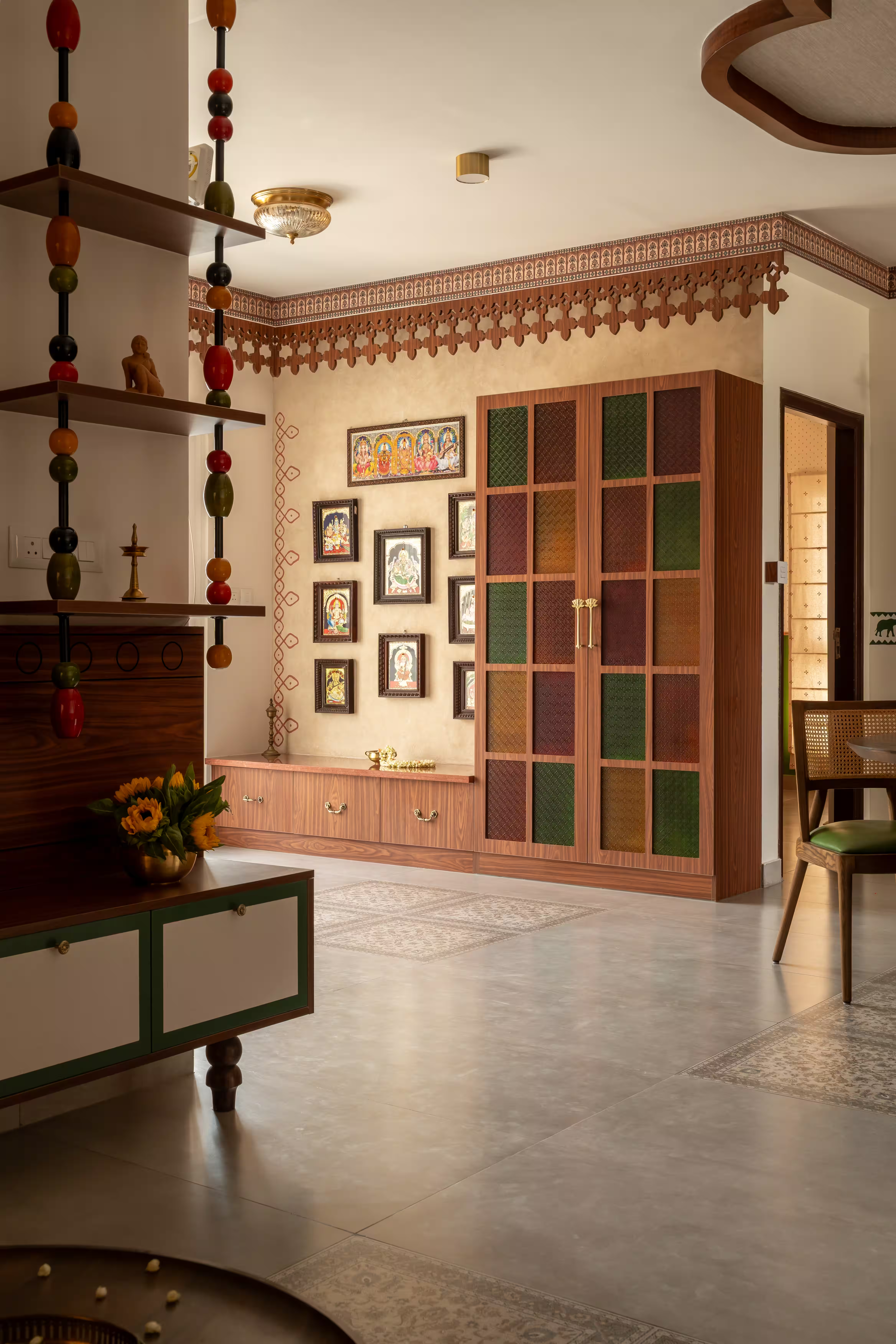
Traditional mandir designs often feature carved wood, decorative pillars, ornamental arches, patterned screens and detailed back panels. These elements introduce craftsmanship and a sense of heritage into the home.
Wooden mandirs with intricate detailing can work particularly well in homes that incorporate traditional furniture, warm colours and natural materials.
Modern Pooja Room Designs
Modern pooja room designs typically favour clean lines, restrained detailing and carefully selected materials. Neutral colours, simple geometric forms, concealed storage and subtle lighting can create a contemporary prayer space that complements modern home interiors.
A minimalist mandir can also be a practical choice for smaller homes, where keeping the design visually light helps the space feel less crowded.
Contemporary Designs With Traditional Details
You do not have to choose between traditional and contemporary styles. A modern mandir with a carved wooden frame, a simple pooja unit with brass accents or a contemporary backdrop featuring traditional patterns can bring both influences together.
The key is to maintain balance. A few thoughtfully selected details can create a stronger visual impact than incorporating too many decorative elements.
3. Select Materials and Finishes for Your Pooja Room
Materials play an important role in defining the character of a pooja space. The right selection should complement your home interiors while remaining suitable for the activities carried out in the area.
Popular material and finish options include:
- Wood: Introduces warmth and natural texture, making it suitable for both traditional mandirs and contemporary pooja units.
- Marble and stone: Offer a refined appearance and can be used for selected surfaces, platforms or decorative backdrops.
- Patterned tiles: Introduce colour, texture and traditional motifs into the design.
- Brass accents: Add a distinctive decorative element through handles, lamps, bells and selected detailing.
- Painted and laminate finishes: Provide versatile colour and texture options that can coordinate with modern home interiors.
When choosing materials, consider durability, maintenance and the overall interior palette of your home.
If you regularly use oil lamps or incense, ensure that nearby surfaces and finishes are appropriate for the intended use. Keep open flames away from combustible materials and follow suitable fire-safety precautions.
For luxury home interiors, the emphasis should be on the thoughtful combination of materials rather than excessive ornamentation. A cohesive palette and carefully executed detailing can help the pooja space feel elegant and timeless.
4. Use Lighting to Enhance Your Pooja Room Design
Lighting can transform the atmosphere of a pooja room. It helps highlight the mandir, emphasise material textures and create a comfortable setting for prayer.
Consider these lighting options when planning your pooja room interiors:
- Concealed LED lighting: Creates a soft glow around a niche or decorative back panel.
- Focused lighting: Directs attention towards the main mandir or a specific architectural detail.
- Warm ambient lighting: Complements wood, stone and traditional finishes while creating a welcoming atmosphere.
- Natural lighting: Can make the space feel open and connected to the rest of the home when the layout permits.
The best lighting plan combines adequate general illumination with carefully positioned accent lighting. Electrical points should be planned during the design stage so that wiring can be concealed safely and access for maintenance is considered.
Avoid relying entirely on decorative lighting. The space should remain sufficiently illuminated for everyday rituals and cleaning.
5. Incorporate Smart Storage Into Your Mandir Design
A well-designed pooja room needs to accommodate more than the mandir itself. Prayer books, incense, lamps, oil, matchboxes and other ritual essentials all require practical storage.
Without a dedicated place for these items, the available surfaces can quickly become cluttered.
Depending on your space, consider incorporating:
- Drawers for smaller prayer essentials.
- Concealed cabinets for items that are not used every day.
- Open shelves for frequently used belongings.
- Dedicated compartments for prayer books and ritual accessories.
- Storage beneath a wall-mounted or freestanding mandir, where appropriate.
For compact pooja room designs, integrated storage can help maintain a clean appearance without occupying additional floor space.
The amount and type of storage should reflect your family's rituals and preferences. A personalised layout will generally be more useful than adding compartments that do not serve a practical purpose.
6. Plan a Pooja Room for Small Homes and Apartments
Limited space does not mean you need to compromise on the design of your prayer area. With thoughtful planning, even a compact niche can become a meaningful part of your home.
If you are exploring pooja room designs for small homes, consider the following ideas:
- Use vertical space: Wall-mounted mandirs can preserve valuable floor area.
- Create a recessed niche: A suitable wall niche can establish a defined prayer area without adding bulky furniture.
- Choose a simple backdrop: Restrained patterns and finishes help keep compact spaces visually uncluttered.
- Integrate concealed storage: Drawers and cabinets can accommodate essentials without overwhelming the design.
- Consider a partition: A carefully positioned screen can provide visual separation within an open-plan layout.
The placement of the pooja unit should also allow comfortable access and movement. Consider nearby doors, circulation paths and furniture before finalising the design.
For apartment interiors, the most effective solution is one that makes the best use of the available layout while feeling like an intentional part of the overall home design.
7. Pay Attention to Safety, Accessibility and Everyday Use
A pooja room should be designed around how your family actually uses the space.
Ensure there is adequate room for regular rituals, that frequently used items are easy to reach and that doors or decorative screens do not obstruct movement.
Electrical points for lighting should be planned in advance, with wiring installed safely. If oil lamps or incense are used, place them on stable, suitable surfaces away from curtains, wooden decorations and other combustible materials.
Materials should be easy to maintain, especially around areas where oil, flowers or other offerings are placed. Appropriate ventilation and accessible cleaning surfaces can also make regular upkeep easier.
These practical considerations are an essential part of good interior design. They help ensure that your pooja room remains comfortable, functional and well maintained over time.
8. Make Your Pooja Room Part of the Overall Home Interior Design
A pooja room does not have to feel like an isolated design element. It can complement the rest of your home through coordinated materials, colours, textures and architectural details.
A wooden mandir can echo the finishes used in the living room. A patterned backdrop can complement motifs elsewhere in the home, while a simple white pooja unit can blend into the wall and allow the mandir's decorative details to stand out.
Alternatively, a contrasting colour or material can establish a distinct identity for the prayer area, particularly when it is integrated into an open-plan living or dining space.
For cohesive residential interior design, consider the pooja room alongside the flooring, furniture, lighting and wall finishes from the beginning. This allows every element to work together rather than feeling like a separate addition.
For homeowners exploring luxury home interiors, a carefully integrated mandir can become a distinctive design feature while retaining the purpose and character of the prayer space.
Frequently Asked Questions About Pooja Room Design
What is the best design for a pooja room in a modern home?
The best pooja room design depends on your available space, family traditions and interior style. Wall-mounted mandirs, recessed niches and contemporary pooja units can work well in modern homes, while dedicated rooms allow for more elaborate detailing and storage.
How can I design a pooja room in a small apartment?
For a small apartment, consider a wall-mounted mandir, a recessed niche or a compact unit with integrated storage. Keep the design proportionate to the available space and ensure there is comfortable access for everyday rituals.
Which materials are suitable for pooja room interiors?
Wood, marble, stone, laminates and selected decorative tiles are popular choices. The right material depends on the design, maintenance requirements and how the space will be used. Areas around oil lamps and incense require particular attention to heat resistance and fire safety.
How can I make my pooja room look luxurious?
A refined pooja room can be achieved through carefully selected materials, considered lighting, quality craftsmanship and cohesive finishes. Natural wood, stone, brass accents and well-integrated storage can create an elegant result without excessive decoration.
Where should a pooja room be placed in a home?
The ideal location depends on the home's layout, available space, family preferences and religious or cultural practices. Consider privacy, accessibility, ventilation and safe placement of electrical points and lamps when selecting the location. Families who follow specific Vastu principles may also wish to incorporate those preferences into the planning process.
Can a pooja room be integrated into a living room?
Yes. A mandir can be integrated into a living room using a wall-mounted unit, recessed niche or suitable partition. Coordinating its materials and finishes with the surrounding interiors helps create a cohesive design.
Create a Pooja Space That Reflects Your Home and Traditions
The best pooja room design is one that respects your family's traditions while fitting naturally into your home. Whether you prefer an elaborate traditional mandir, a contemporary prayer unit or a compact design for an apartment, thoughtful planning can bring together aesthetics, functionality and personal meaning.
At Tesor Designs, we believe exceptional home interior design begins with understanding the people who live in the space. Our approach to residential interior design combines personalised planning, carefully considered materials and attention to detail to create homes that reflect individual lifestyles.
Planning your home interiors in Bangalore? Connect with Tesor Designs to explore customised pooja room designs and thoughtfully planned home interiors tailored to your space and preferences.